
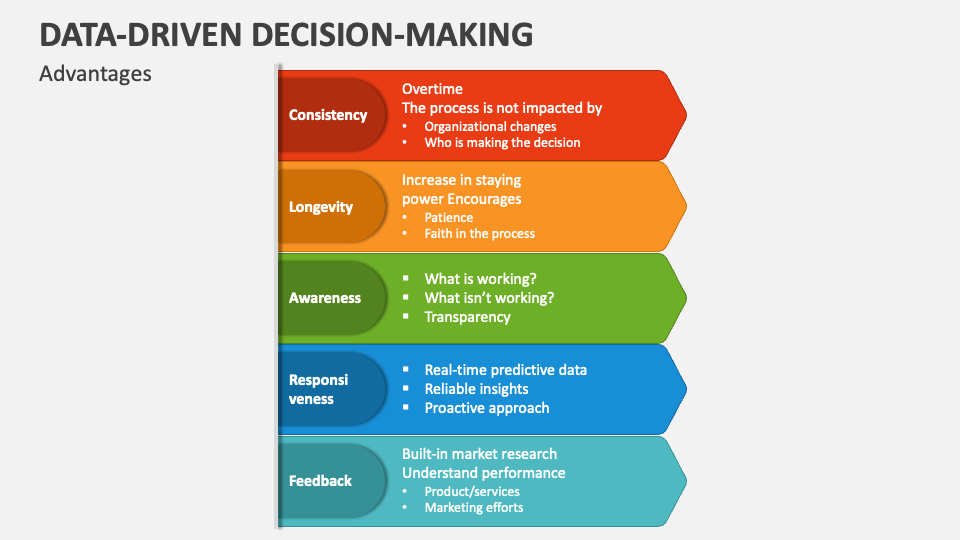
Data-driven decision making relies on insights rather than assumptions.
Organizations collect and analyze data to guide strategy and operations.
Analytics tools reveal trends, risks, and opportunities.
This approach improves accuracy and reduces uncertainty.
Data-driven cultures encourage transparency and accountability.
When decisions are supported by evidence, outcomes become more predictable.
Over time, data literacy becomes a competitive advantage. This aspect of Data-Driven Decision Making in Organizations continues to evolve as technology, habits, and expectations change over time. Experts often highlight that long-term success in Data-Driven Decision Making in Organizations depends on consistency, awareness, and adaptability. From a practical perspective, understanding the fundamentals of Data-Driven Decision Making in Organizations helps individuals make better decisions. Many real-world examples show how small improvements in Data-Driven Decision Making in Organizations can lead to meaningful long-term results. As trends shift, staying informed about Data-Driven Decision Making in Organizations becomes increasingly important for sustainable progress. This aspect of Data-Driven Decision Making in Organizations continues to evolve as technology, habits, and expectations change over time. Experts often highlight that long-term success in Data-Driven Decision Making in Organizations depends on consistency, awareness, and adaptability. From a practical perspective, understanding the fundamentals of Data-Driven Decision Making in Organizations helps individuals make better decisions. Many real-world examples show how small improvements in Data-Driven Decision Making in Organizations can lead to meaningful long-term results. As trends shift, staying informed about Data-Driven Decision Making in Organizations becomes increasingly important for sustainable progress. This aspect of Data-Driven Decision Making in Organizations continues to evolve as technology, habits, and expectations change over time. Experts often highlight that long-term success in Data-Driven Decision Making in Organizations depends on consistency, awareness, and adaptability. From a practical perspective, understanding the fundamentals of Data-Driven Decision Making in Organizations helps individuals make better decisions. Many real-world examples show how small improvements in Data-Driven Decision Making in Organizations can lead to meaningful long-term results. As trends shift, staying informed about Data-Driven Decision Making in Organizations becomes increasingly important for sustainable progress. This aspect of Data-Driven Decision Making in Organizations continues to evolve as technology, habits, and expectations change over time. Experts often highlight that long-term success in Data-Driven Decision Making in Organizations depends on consistency, awareness, and adaptability. From a practical perspective, understanding the fundamentals of Data-Driven Decision Making in Organizations helps individuals make better decisions. Many real-world examples show how small improvements in Data-Driven Decision Making in Organizations can lead to meaningful long-term results.